Was ist ein Multichannel-Ansatz in der Kundenbetreuung?
Ein Multichannel-Ansatz in der Kundenbetreuung besteht darin, Verbrauchern verschiedene Kommunikationswege anzubieten, wie Telefon, E-Mail, Chat, soziale Medien und Instant Messaging. Dies ermöglicht es jedem Kunden, den Kanal zu wählen, der am besten zu seinen Vorlieben und Bedürfnissen passt.
Ein Multichannel-Ansatz in der Kundenbetreuung besteht darin, Verbrauchern verschiedene Kommunikationswege wie Telefon, E-Mail, Chat, soziale Medien und Instant Messaging anzubieten. Dies ermöglicht es jedem Kunden, den Kanal zu wählen, der seinen Vorlieben und Bedürfnissen am besten entspricht.
Diese Vielfalt spiegelt die sich wandelnden Kundengewohnheiten wider. So bevorzugt ein Kunde beispielsweise das Telefon für dringende Anliegen, nutzt E-Mails für den Versand wichtiger Dokumente oder wählt WhatsApp, um eine Bestellung zu verfolgen, ohne ständig online sein zu müssen. Die Vervielfältigung der Kontaktpunkte garantiert jedoch nicht automatisch ein zufriedenstellendes Kundenerlebnis.
Wenn Kanäle separat verwaltet werden, können Informationen verstreut sein, was den Beratern den Zugriff auf den Gesprächsverlauf erschwert. Der Kunde muss sein Anliegen dann möglicherweise bei jedem Kanalwechsel erneut erklären. Deshalb geht eine effektive Multichannel-Strategie über die bloße Präsenz auf mehreren Plattformen hinaus: Sie erfordert eine koordinierte Abstimmung von Gesprächen, Teams und Daten, um die Kontinuität in der Kundenbeziehung zu wahren.
Was beinhaltet eine Multichannel-Kundenbetreuung?
Die Multichannel-Kundenbetreuung basiert auf der gleichzeitigen Nutzung mehrerer Kanäle für die Kommunikation mit Interessenten und Kunden.
Diese Kanäle können vor, während oder nach einem Kauf genutzt werden. Sie dienen dazu, Informationen anzufordern, eine Bestellung zu verfolgen, ein Problem zu melden, eine Benachrichtigung zu erhalten oder den Kundendienst zu kontaktieren.
Ein Unternehmen kann beispielsweise Folgendes anbieten:
- eine Telefonnummer für komplexe Anfragen;
- eine E-Mail-Adresse für asynchrone Kommunikation;
- eine in die Website integrierte Chat-Funktion;
- Konten in sozialen Medien;
- Kundenservice via WhatsApp oder Messenger;
- Benachrichtigungen per SMS oder RCS;
- Messaging-Funktionen, die in die eigene Anwendung integriert sind.
Bei einem rein multikanalen Ansatz können diese Kontaktpunkte jeweils unabhängig voneinander agieren. Das Unternehmen ist zwar an mehreren Stellen präsent, aber seine Tools, Daten und Teams sind nicht zwangsläufig miteinander vernetzt.
Diese Organisationsform macht den Kundenservice zwar zugänglicher, kann jedoch zu Brüchen in der Customer Journey führen, wenn Kunden während eines Anliegens zwischen verschiedenen Kanälen wechseln.
Welche Kanäle sollten in einen Multichannel-Ansatz einbezogen werden?
Die Wahl der Kanäle sollte sich nicht nach aktuellen Trends richten. Jedes Unternehmen sollte die Kontaktpunkte wählen, die den Gewohnheiten seiner Kunden, der Art ihrer Anfragen und den verfügbaren Ressourcen zur Bearbeitung entsprechen.
Telefon und E-Mail
Das Telefon bleibt relevant für dringende, sensible oder komplexe Anfragen, die sich schriftlich nur schwer erklären lassen. Es ermöglicht ein direktes Gespräch mit einem Berater, erfordert jedoch in der Regel, dass sowohl der Kunde als auch das Unternehmen gleichzeitig verfügbar sind.
E-Mail erleichtert den Versand detaillierter Informationen und Anhänge.
Für einen schnellen Austausch ist er jedoch weniger geeignet und kann bei mehreren erforderlichen Antworten zu langwierigen Konversationen führen. Beide Kanäle bleiben nützlich.
Sie sollten jedoch ergänzt werden, wenn Kunden mehr Unmittelbarkeit erwarten oder asynchron kommunizieren möchten.
KakaoTalk, WeChat und lokale Messaging-Kanäle
Einige Messaging-Kanäle sind geografisch definiert. KakaoTalk ist die führende Messaging-App in Südkorea,wo sie von nahezu der gesamten vernetzten Bevölkerung genutzt wird. Für eine Marke, die an koreanische Verbraucher verkauft, bedeutet die Abwesenheit auf diesem Kanal, dass sie in den alltäglichen Gesprächen der Kunden nicht präsent ist.
In China sind Messaging und Alltag nahezu identisch. WeChat ist der Ort, an dem Menschen chatten, bezahlen, Dienstleistungen buchen, einkaufen und ihren Lieblingsmarken folgen,mit mehr als 1,4 Milliarden monatlich aktiven Nutzern über Weixin und WeChat, laut den Ergebnissen von Tencent für 2025. Für eine Marke, die chinesische Verbraucher anspricht, ist eine Präsenz auf WeChat weniger eine Kommunikationsoption als vielmehr eine Grundvoraussetzung, um gefunden, geschätzt und als Anbieter in Betracht gezogen zu werden.
KakaoTalk fungiert ebenfalls als Super-App. Sie vereint Messaging, Zahlungsdienste, Mobilität und geschäftliche Dienste in einer einzigen Umgebung. Marken können einen offiziellen Geschäftskanal eröffnen, um Benachrichtigungen, Zahlungsaufforderungen, Transaktionsdetails oder Werbenachrichten zu versenden – oft zu geringeren Kosten als per SMS.
Dieses Beispiel zeigt, warum die Wahl der Kanäle sich an den Kundengewohnheiten und nicht an globalen Trends orientieren sollte. Ein Unternehmen, das nach Südkorea expandiert, wird seine Zielgruppe nicht auf WhatsApp, sondern auf KakaoTalk finden. Eine Multichannel-Strategie muss daher marktbezogen aufgebaut werden, mit Tools, die diese lokalen Kanäle mit den anderen zusammenführen können.
Chat und soziale Medien
Über einen Chat erhalten Kunden direkt auf der Website oder in der App des Unternehmens eine Antwort. Er eignet sich besonders für die Unterstützung vor dem Kauf, häufig gestellte Fragen und Anfragen, die eine schnelle Reaktion erfordern.
Soziale Medien sind ebenfalls wichtige Kontaktpunkte. Verbraucher können eine Marke öffentlich kontaktieren oder eine private Anfrage über Instagram, Facebook oder X senden.
Diese Interaktionen sollten mit der gleichen Sorgfalt behandelt werden wie Anfragen über traditionelle Kanäle. Ein privates Gespräch in sozialen Medien kann eine Bestellung, eine Rücksendung oder eine Beschwerde betreffen, die Zugriff auf Kundendaten erfordert.
WhatsApp und konversationelle Messaging-Kanäle
Konversationelle Messaging-Kanäle ermöglichen es Verbrauchern, über Anwendungen zu kommunizieren, die sie bereits täglich nutzen. Sie bieten ein flexibleres Erlebnis als Telefon oder Live-Chat: Kunden können das Gespräch unterbrechen und später darauf zurückkommen, ohne den Faden zu verlieren.
WhatsApp, Messenger, Apple Messages und In-App-Messaging können genutzt werden, um eingehende Anfragen zu bearbeiten, Benachrichtigungen zu versenden und Kunden während ihrer gesamten Customer Journey zu unterstützen.
Alcmeon ermöglicht es Marken, Interaktionen über mehrere dieser Kanäle hinweg zu zentralisieren und zu automatisieren. Carrefour nutzt die Plattform, um Konversationen auf WhatsApp, Messenger, Apple Messages und Instagram zu verwalten.
Welche Vorteile bietet eine Multichannel-Kundenbetreuung?
Eine Multichannel-Strategie macht das Unternehmen in erster Linie besser erreichbar. Kunden können den Kontaktpunkt wählen, der am besten zu ihren Gewohnheiten, ihrem Standort und der Dringlichkeit ihres Anliegens passt.
Respektieren Sie die Präferenzen jedes Kunden
Nicht alle Verbraucher möchten auf die gleiche Weise kommunizieren. Manche bevorzugen das persönliche Gespräch, während andere die schriftliche Kommunikation wählen, um einen Verlauf zu haben oder antworten zu können, wenn es ihnen zeitlich passt.
Durch die Präsenz auf mehreren Kanälen vermeiden Sie es, den Kunden einen einzigen Weg aufzuzwingen. Zudem ermöglicht dies maßgeschneiderte Erlebnisse für unterschiedliche Kundenprofile und geografische Märkte.
Passen Sie den Kanal an den Kontext der Anfrage an
Jeder Kanal hat seine eigenen Einsatzmöglichkeiten. Eine Lieferbenachrichtigung kann über einen Messaging-Kanal versendet werden, während eine komplexe Situation möglicherweise das Eingreifen eines Beraters per Telefon erfordert. Das Unternehmen kann daher einfache Anfragen an automatisierte Prozesse weiterleiten und menschliche Ressourcen für Gespräche reservieren, die mehr Analyse, Empathie oder Entscheidungsfindung erfordern.
Schaffen Sie mehr Interaktionsmöglichkeiten
Die Vervielfältigung der Kanäle erhöht die Anzahl der Situationen, in denen ein Kunde mit der Marke interagieren kann.
Messaging-Kanäle können für den Kundenservice genutzt werden, aber auch, um Erinnerungen zu versenden, nützliche Informationen zu teilen, einen Kauf zu unterstützen oder eine Interaktion fortzusetzen, die auf einem anderen Kanal begonnen hat.
Fnac Darty nutzte insbesondere Alcmeon, um Business-Messaging in großem Umfang einzuführen und das Volumen der per E-Mail eingehenden Anfragen um 70 % zu reduzieren.
Warum kann Multichannel das Kundenerlebnis fragmentieren?
Die größte Einschränkung der Multichannel-Kundenbeziehungen zeigt sich, wenn jeder Kanal in einer unabhängigen Umgebung operiert.
Ein Unternehmen verwendet möglicherweise ein Tool für Telefonanrufe, ein gemeinsames E-Mail-Postfach, eine Chat-Schnittstelle und mehrere Social-Media-Konten. Berater haben dadurch nur einen unvollständigen Einblick in die Kundeninteraktionen.
Über verschiedene Tools verteilte Konversationen
Verstreute Konversationen machen die Arbeit der Teams komplexer. Ein Berater weiß möglicherweise nicht, dass ein Kunde bereits über Instagram geschrieben hat, bevor er den Service per E-Mail kontaktiert.
Diese Fragmentierung erhöht das Risiko widersprüchlicher Antworten, mehrfacher Bearbeitung von Anfragen oder unbeantworteter Konversationen.
Zudem erschwert sie das Leistungsmanagement. Führungskräfte haben nicht immer einen konsolidierten Überblick über Anfragevolumen, Bearbeitungszeiten und Zufriedenheit über alle Kanäle hinweg.
Verlust des Kontextes beim Kanalwechsel
Kunden müssen bei jedem Kontakt über einen neuen Kanal möglicherweise erneut ihre Identität, Bestellnummer und den Grund ihres Anliegens angeben.
Diese Wiederholung erhöht den Kundenaufwand und erweckt den Eindruck, dass das Unternehmen seine eigene Interaktionshistorie nicht kennt. Das Problem ist also nicht die Anzahl der angebotenen Kanäle, sondern die mangelnde Kontinuität zwischen ihnen.
Ein Omnichannel-Ansatz zielt genau darauf ab, dieses Problem durch die Integration der verschiedenen Kontaktpunkte in ein kohärentes Netzwerk zu lösen. Kontext und nützliche Informationen können den Kunden dann von einem Kanal zum nächsten begleiten.
Eine komplexere Organisation für Berater
Die Vielzahl an Schnittstellen zwingt Teams dazu, mehrere Arbeitsbereiche zu überwachen und häufig zwischen verschiedenen Tools zu wechseln.
Diese Organisation erhöht die Bearbeitungszeiten und verkompliziert die Verteilung von Anfragen. Zudem schränkt sie Automatisierungsmöglichkeiten ein, da Qualifizierungs- und Routing-Regeln für jeden Kanal separat erstellt werden müssen.
Ein effektiver Multichannel-Ansatz muss daher eine umfassendere Überprüfung der Tools, Verantwortlichkeiten und internen Prozesse beinhalten.
Wie lässt sich eine konsistente Multichannel-Kundenbeziehung aufbauen?
Bei einer effektiven Strategie geht es nicht darum, so viele Kanäle wie möglich zu eröffnen. Sie sollte mit einer Analyse der Customer Journey und der Kontaktgründe beginnen. Das Unternehmen muss identifizieren, welche Kanäle die Kunden tatsächlich nutzen, welche Anfragen über die jeweiligen Kanäle eingehen und an welchen Stellen es zu den größten Brüchen in der Kundenerfahrung kommt.
Konversationen zentralisieren
Durch die Zentralisierung können Berater Anfragen aus verschiedenen Kanälen in einer gemeinsamen Umgebung bearbeiten.
Teams können auf den Konversationsverlauf zugreifen, den Status einer Anfrage einsehen und bereits durchgeführte Maßnahmen prüfen. Dies hilft, Doppelbearbeitungen zu vermeiden und konsistentere Antworten zu geben.
Eine Conversational-Plattform ergänzt das CRM: während das CRM in erster Linie das Kundenwissen zentralisiert, organisiert die Plattform die Interaktionen über Messaging-Kanäle und soziale Medien.
Kontext zwischen Bots und Beratern bewahren
Automatisierung kann häufig gestellte Fragen beantworten, erste Informationen sammeln und Kunden an die richtige Abteilung weiterleiten. Sie sollte jedoch nicht den Zugang zu einem Berater verhindern. Wenn ein menschliches Eingreifen erforderlich wird, muss der vom Bot gesammelte Kontext an das Team weitergegeben werden, damit der Prozess nicht von vorne begonnen werden muss.
SNCF Connect nutzt beispielsweise eine Organisation, die Messaging-Kanäle, Chatbots, künstliche Intelligenz und Berater kombiniert. Der Übergang zwischen diesen verschiedenen Modi bewahrt den Gesprächskontext und erleichtert die menschliche Unterstützung.
Kanäle mit CRM-Daten verbinden
Die Anbindung an das CRM ermöglicht es, Konversationen mit bereits bekannten Kundeninformationen zu verknüpfen: Käufe, frühere Anfragen, Kundenstatus oder Präferenzen.
Berater können ihre Antworten dadurch personalisieren und Anfragen schneller bearbeiten. Die während des Gesprächs gesammelten Informationen können zudem das Kundenwissen erweitern.
Alcmeon verbindet Interaktionen über WhatsApp, Messenger und andere Messaging-Kanäle mit Salesforce-Prozessen und führt Automatisierung, künstliche Intelligenz und menschliches Eingreifen zusammen.
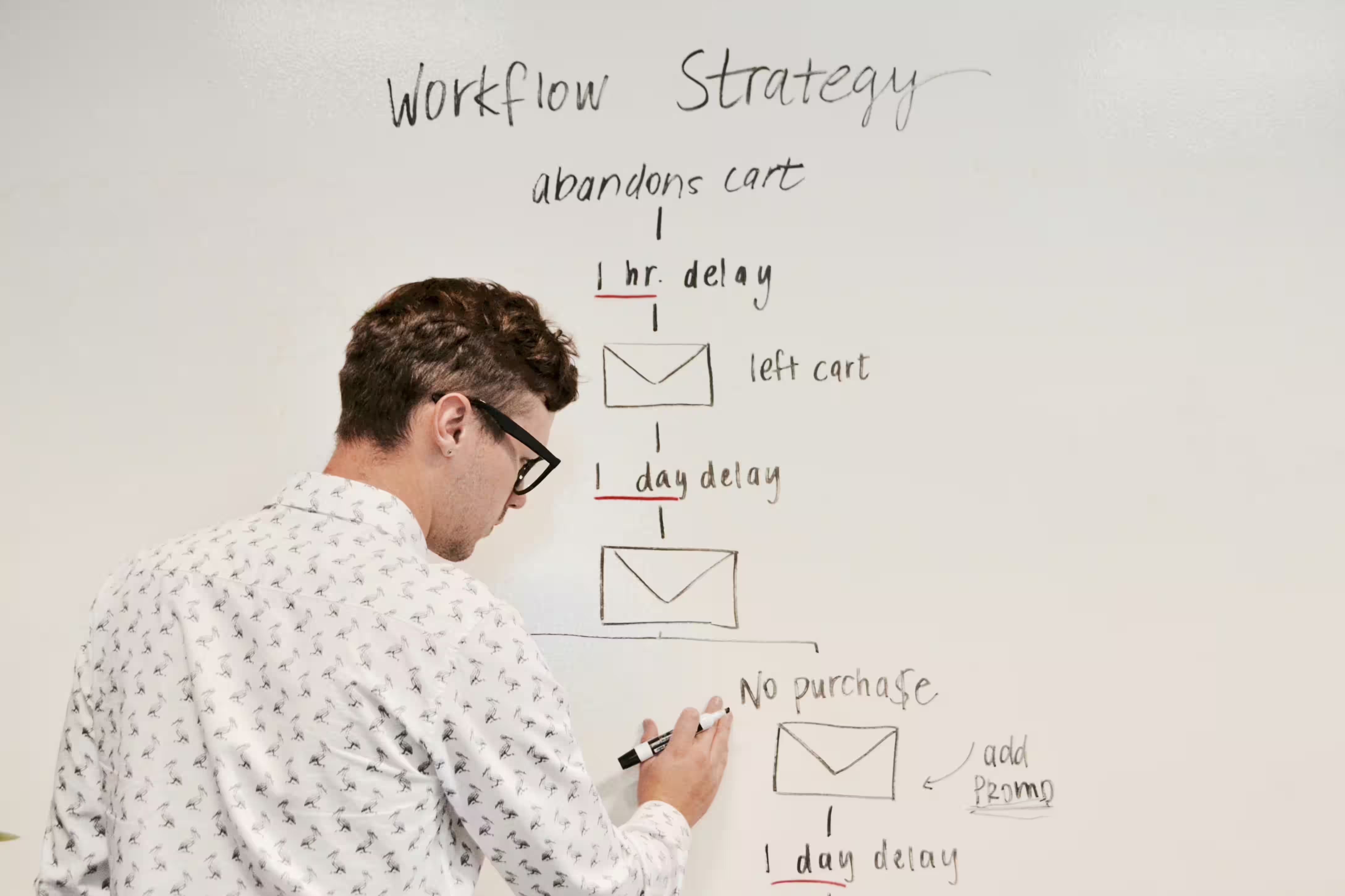
Multichannel, Cross-Channel und Omnichannel: Was sind die Unterschiede?
Diese drei Konzepte beziehen sich auf unterschiedliche Stufen der Organisation von Kontaktpunkten.
Bei einer Multichannel-Strategie ist das Unternehmen auf mehreren Kanälen präsent, die unter Umständen unabhängig voneinander agieren.
Bei einem Cross-Channel-Ansatz werden die Kanäle komplementär. Der Kunde kann eine Aktion auf einem Kanal beginnen und auf einem anderen fortsetzen.
Bei einer Omnichannel-Strategie sind die Kontaktpunkte um eine einheitliche Sicht auf die Customer Journey herum integriert. Daten und Kontext fließen zwischen den Kanälen, um ein konsistentes Erlebnis zu gewährleisten.
Multichannel und Omnichannel sollten nicht zwangsläufig als Gegensätze betrachtet werden.
„Multichannel“ beschreibt die Präsenz über mehrere Kontaktpunkte hinweg, während sich „Omnichannel“ auf den Grad der Integration zwischen diesen bezieht. Ein Unternehmen kann daher zunächst seine Multichannel-Präsenz ausbauen und anschließend schrittweise seine Tools und Daten vernetzen, um die Kontinuität über das gesamte Erlebnis hinweg zu verbessern.
Welche Kennzahlen sollten Sie verfolgen, um eine Multichannel-Strategie zu steuern?
Die Leistung sollte nicht allein am Volumen der Konversationen gemessen werden. Das Unternehmen muss auch die Geschwindigkeit, Qualität und Konsistenz der Anfragebearbeitung bewerten.
Insbesondere können folgende Kennzahlen nachverfolgt werden:
- durchschnittliche Zeit bis zur ersten Antwort;
- durchschnittliche Lösungszeit;
- Rate der Problemlösung beim ersten Kontakt;
- Anzahl der Weiterleitungen zwischen Teams;
- Abbruchrate bei Konversationen;
- Automatisierungsgrad;
- Kundenzufriedenheit (CSAT) nach einer Interaktion;
- Customer Effort Score (CES) zur Messung des Kundenaufwands;
- Verteilung der Anfragen nach Kanal;
- Bearbeitungskosten pro Konversation.
Diese Daten sollten sowohl kanalbezogen als auch über die gesamte Customer Journey hinweg analysiert werden. Ein Kanal kann zwar eine zufriedenstellende Antwortzeit aufweisen, aber dennoch zahlreiche Folgekontakte über andere Kanäle auslösen.
Zentralisieren Sie Ihre Multichannel-Kundenbetreuung mit Alcmeon
Ein Multichannel-Ansatz ermöglicht es Ihrer Marke, genau dort präsent zu sein, wo Ihre Kunden unterwegs sind. Damit das Erlebnis jedoch wirklich nahtlos ist, müssen diese Kanäle perfekt aufeinander abgestimmt sein.
Alcmeon bündelt Ihre Konversationen über WhatsApp, RCS, Messenger, Instagram und alle anderen Messaging-Kanäle, die Ihre Kunden nutzen. Die Plattform ermöglicht es Ihnen, Automatisierung, künstliche Intelligenz und menschliche Unterstützung zu kombinieren, während der Kontext jeder Interaktion stets gewahrt bleibt.
Brechen Sie Silos zwischen Ihren Kanälen auf, erleichtern Sie Ihren Mitarbeitern die Arbeit und verwandeln Sie Ihre verschiedenen Kontaktpunkte in eine konsistente Kundenbeziehung. Erfahren Sie, wie Alcmeon Sie bei der Umsetzung Ihrer Conversational-Strategie unterstützen kann.